Divorce Effects on Children
The divorce effects on children will vary by their age and developmental stage.While it may seem that babies handle divorce the best, they still react to the new family dynamics by regressing in their behavior.At the other end of the spectrum are teenagers, who may seem aloof to the whole situation but secretly hiding their pain and distress.To help you understand the various reactions your children may be exhibiting, read the following article by Darlene Lancer.
Divorce Effects on Children by Developmental Stage
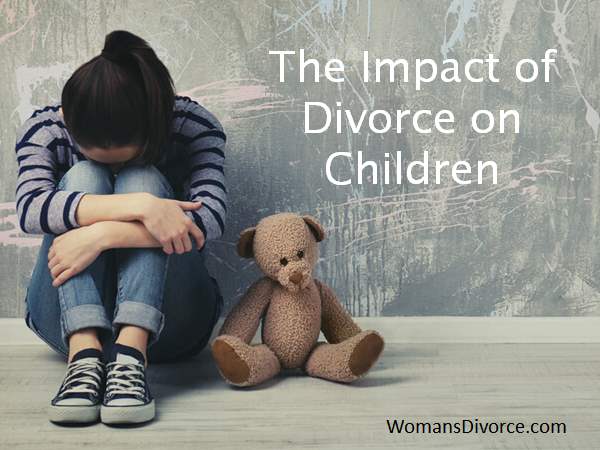
Children intuitively know that there are problems in a marriage, sometimes despite their parents' best efforts to hide them. They may even believe divorce is a welcome relief from their parents' hot or cold war. However, they do not share their parents' need to separate, but on the contrary, need both parents.
They in fact go through the same reactions as parents, such as denial, reconciliation fantasies, anxiety, difficulty concentrating, depression, boredom, irritability, intense sorrow, low self-esteem, and feelings of helplessness. Schoolwork may suffer, and some act out aggressively, promiscuously, or with delinquent behavior.
BABIES
Even babies may evidence depression from inattention or from fear that the custodial parent will also leave. If over-protected, they may behave more infantile. Toddlers may become clingy, withdrawn, may regress, or become demanding and possessive.
PRESCHOOLERS
Regression is a normal reaction for the pre-school child for a few months. Longer periods signal more marital dysfunction. Other preschoolers may feel responsible for the divorce and thus try to behave perfectly. Some children feel unloved, need constant reassurance, and attach to non-parental figures, like teachers. Anger, sulking, petulance, whining, and bossing are typical and may be directed at peers, toys, or themselves.
GRADE SCHOOL
The school-age child may insist all is fine. Others may experience extreme sadness and longing for the non-custodial parent. They even may make up stories about seeing that parent. The child may appease the custodial parent by not expressing anger about the divorce or by refusing to see the other parent. The child may withdraw from both parents not wanting to alienate either one.
If the custodial parent is depressed or preoccupied, a child may feel deep deprivation, neglect, and resentment. When children suddenly are made responsible for their parent, themselves, or younger siblings, they feel cheated of a childhood. To compensate, the child may demand material things, start lying and/or become possessive.
Some children feel frightened and unprotected without their father, and either try to assume his role or become too fearful to function normally. They fantasize disaster, can't concentrate and forget things. They may yearn for male company, avoid and blame their mothers. Allowing a child to act his or her age and encouraging contact with the father or other male adult is reassuring.
PRETEENS
They may feel intense anger and vengeful towards one parent, and act out with tantrums and problems in school. Particularly boys blame a single mother and perceive her as less authoritative than father. They balk at discipline. Becoming more restrictive and overprotective promotes more infantile behavior and defiance.
Pre-teens may worry constantly about money, may have to work, or be put in the middle asking the non-custodial parent for money. Children continuously placed in the middle carry their parents' anger, and can become suicidal. Children assuming adult responsibilities at this age may feel guilty when they want to be with their friends and a sense of failure for not being able to fulfill their parent's needs.
If they're abandoned or rejected by the absent parent, they may withdraw from their social life or hide their sadness with anger. Girls may be jealous of their father's partners and refuse to stay overnight.
TEENAGERS
To avoid their pain, some teenagers act out delinquently, promiscuously, abuse substances, or withdraw from friends. They might act pseudo-mature, then regress to childish behavior and seek younger friends.
If the parent/child relationship is too close, a teen may have difficulty leaving home; if living with the opposite sex parent, boys may adopt the father's role and girls become a homemaker to dad. Both may have difficulty learning their sex role if estranged from the same sex parent. Teens also become money conscious particularly if they miss out on college, and may become resentful and/or manipulate parents to their advantage.
All these reactions are ameliorated by their understanding the reasons for the divorce and having a safe place to express their feelings, by regular, frequent contact with the non-custodial parent, and by the parents' acceptance of the divorce and resolution of conflict without placing the children in the middle.
Darlene Lancer is a former attorney and mediator who has been a licensed Marriage & Family Therapist for over 20 years. She helps couples work through relationship issues and coaches individuals dealing with divorce, addiction, codependency, and more. Darlenelancer.com
The following articles can give you more insight on divorce effects on children and how you can help them cope with the changes:
Stay Up to Date!
Get exclusive articles, tips, and resources
Plus receive your FREE divorce ebook
Most Popular
Reasons to Sell Your Wedding Ring

How to Create a Parenting Plan
Get Expert Advice About Divorce and Custody!


Your Wedding Ring After Divorce
7 ideas on what to do with it
Preparing for a Divorce Financially
Key steps to building financial awareness.
Steps to Take Before Divorce
Prepare strategically and legally.
Recovering Financially from Divorce
How to regain stable financial footing.
Financial Documents for Divorce
Information needed for negotiating a fair settlement.
Is a Divorce Lawyer Really Necessary?
What to consider if you are thinking about doing your own divorce.
Best Way to Sell an Engagement Ring after Divorce
These tips can help turn your marriage bling into money.