Signs of an Internet Affair
Do you think your spouse is cheating on you? The following article discusses the various signs of an internet affair and can help make sense of your suspicions.
10 Common Signs of an Internet Affair
Written by: Bill Mitchell
Its obvious online affairs are prevalent today so what can you do?
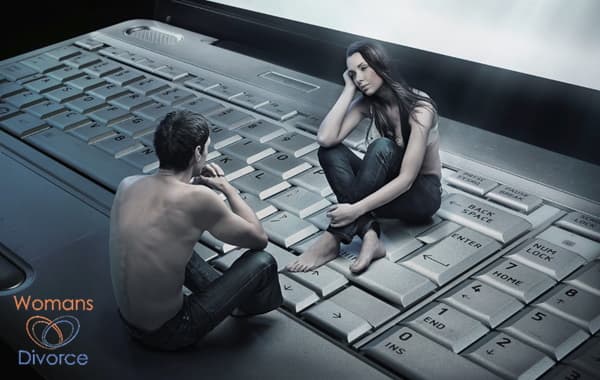
This epidemic is causing the breakup of countless marriages. How do you know if your spouse is violating the marriage vows by carrying out an online affair? Let's look at typical indicators I personally discovered while investigating affairs. If your marriage is in trouble these signs of an internet affair will help you be the judge. Caution: These clues are not confirmation of affair just feasible indicators for you take into account.
1. Your spouse or partner spends excess time on-line.
Who doesn't use a computer today? I know a few people. They are excellent for paying bills, staying in touch with family, friends, customers, finding street locations, and a host of other productive endeavors.
We cannot live without them and shudder when a lighting storm threaten our usage. Just look at kids and their instant messaging. They will go without dinner just to keep in touch with their circle of friends. Try to pull them away, it's no easy task. Does your spouse resemble your kid's magnetism to the computer? Discover why this need is so powerful before it's too late.
2. Passwords, "buddy lists", internet email accounts and emails are concealed - even protected from you!
Do you find your spouse needing his "own space" at the computer? Is there a real reluctance when you ask to know his passwords? What's there to hide? These questions all have obvious answers. The act of hiding information is deceptive by nature. Of course, those of us who have worked in "Corporate America" understand the need to protect company secrets. But what legitimate "family secret" are we hiding?
Listen, any time a spouse becomes secretive with you, it fulfills a direct need they demonstrate. Why? You are like the judge, referee, or source of authority creating that "sense of accountability" over them. Furthermore, they are breaking matrimonial law if committing adultery. There is, in many courts, a price to pay!
3. Computer use after you have gone to bed, when you fall asleep or in the middle of the night.
Have you been awakened by the absence of your spouse at night and found him at the computer? If this behavior becomes a pattern you certainly need to be concerned. While work demands a sense of commitment and loyalty, working late repeatedly after you have fallen asleep is a little odd.
4. Your partner abruptly shuts off the internet and/or computer when you approach.
This is panic and unexplainable behavior. The rationalization is "when all other contingency plans fail, just shut that thing off and don't get caught." This foolish act is also called a "computer crash" and has the potential of damaging both hardware and software. The loss of files occurs when a computer is cut off abruptly.
Many spouses have reported this behavior just prior to hiring us. We consider it a significant indicator of a deviant behavior. Now, bear in mind your spouse may be viewing adult content and fear reprisal. This may explain the need for panic.
5. The computer and monitor are always positioned away from your sight.
The study of body language has become useful to many investigators, especially those of us who administer lie detection examinations. An obvious sign of deception and a common mistake the cheater make is blocking your view. They need the time to clear a screen, turn off the monitor, or change to another internet page when threatened with exposure.
Intentionally turning the monitor or laptop away from view is an indicator they don't want you to see something. Over time this act develops into a habit and confers greater freedom from detection. In most instances, having the lead time to hide the truth from you is all they need.
6. Clears all internet history after chat sessions, usage or installs software to automatically rid this information.
There are times when a computer becomes filled with unwanted files. Computers run faster when less "temporary" files use up valuable "ram memory." This is prudent maintenance for any computer user.
What I am referring to in this sign is the repeated habit of purposefully clearing information from discovery. While this information is retrievable through the science of Computer Forensics, you won't find it readily available.
On the market now is software that actually helps the cheater. The actual purpose of this new software tool is to hide any trace of computer internet usage. Do you find this a little suspicious? I do.
7. Exhibits a compulsive need to be online and seems defensive when confronted to stop.
"When are you coming to bed?" "We really need to go, now, what's taking so long?" "Can't you do that later?" Have you asked these types of questions?
Teenagers often become "obsessed" with instant messaging. If you have kids who use the computer, you know. They have trouble walking away from the PC. This same desire or need displayed by your spouse is cause for alarm. A compulsive, defensive pattern of behavior shows a strong need to continue. You need to know why.
8. Shares personal information, photos or events with strangers in emails, chat-rooms or while messaging.
Setting up a profile for instant messaging is commonplace. Kids love to fill them up and share with friends on the buddy list. I've witnessed spouses who send compromising pictures of themselves over the internet. They share very personal information that should be reserved to the marital home. Maybe it's time to install software that collects this data. Today more courts are allowing emails and computer usage data as evidence. It's advisable to consult an attorney in your state beforehand!
9. Plays online games and frequents "personals" chat-rooms.
This is where it starts. Play a few games, win or loss but then we need to chat. Well if chatting is fine, why not include your spouse? You can't, so why do it?
10. Exhibits the eight warning signs illustrated in the book "The More You Know."
Thirty plus years of investigative experience is poured into this new release. It's a "must have" resource guide for every woman's personal library.
Quote of the Day
Truth is all around you; what matters is where you put your focus.
- Roger Von Oech
Article by Bill Mitchell. All rights reserved.
Private Investigator Bill Mitchell is a nationally known infidelity expert who has appeared on the Dr. Phil Show and is the author of "The More You Know - Getting the evidence and support you need to investigate a troubled relationship."
For more signs of an internet affair and other information on cheating in general, check out the following articles:
Stay Up to Date!
Get exclusive articles, tips, and resources
Plus receive your FREE divorce ebook
Most Popular
Reasons to Sell Your Wedding Ring

How to Create a Parenting Plan
Get Expert Advice About Divorce and Custody!


Your Wedding Ring After Divorce
7 ideas on what to do with it
Preparing for a Divorce Financially
Key steps to building financial awareness.
Steps to Take Before Divorce
Prepare strategically and legally.
Recovering Financially from Divorce
How to regain stable financial footing.
Financial Documents for Divorce
Information needed for negotiating a fair settlement.
Is a Divorce Lawyer Really Necessary?
What to consider if you are thinking about doing your own divorce.
Best Way to Sell an Engagement Ring after Divorce
These tips can help turn your marriage bling into money.